A distraction timer app exists to keep the phone from ending the session before the timer does. It locks apps, silences notifications or hides the screen so the countdown can run. The premise is simple, and the evidence behind it is simpler than the numbers often attached to it.
Why it works
People reach for a distraction timer because the phone interrupts more than the work does. The research below looks at what interruptions cost and what happens to attention when a task is left half finished, so the choice of timer rests on something you can check.
In this scroll
I. What a Distraction Timer App Is For
A distraction timer app is a timer with a lock on the phone. While it runs, the apps that usually pull attention away are blocked, muted or hidden behind the countdown. The idea is that if the phone cannot call you, the wave can finish.
The phone is built to interrupt. Notifications, badges and the pull to check something are part of the device, and a plain countdown does nothing to stop them. A distraction timer tries to make the timer harder to abandon than the distraction is to open.
II. How These Apps Try to Work
Most of them work in one of three ways. They block selected apps for a set time, they silence notifications while the clock runs, or they require the phone to stay face down and untouched until the session ends. Some combine all three.
The limit is that blocking the phone does not remove the urge to look at it. It changes what you reach for. The urge to reach stays. The timer can run to the end and the hand can still drift back to the screen the moment it unlocks.
III. What the Research on Interruptions Actually Says
Mark, Gudith and Klocke studied interrupted work and found that people completed interrupted tasks in less time with no difference in quality. They did it by working faster, and the faster work came at a price: more stress, higher frustration, more time pressure and more effort. Any interruption introduces a disruption cost, and that cost is paid in how the work feels, not in how long it takes.
Leroy looked at what happens when people switch tasks before finishing the first one. She called it attention residue: part of the attention stays on the prior task instead of moving to the new one. People who switched with unfinished work performed worse on the new task than people who had completed the prior task. Finishing before switching left less residue behind.
A figure often repeated for this line of research is that it takes twenty three minutes to refocus after an interruption. That number does not appear in the paper usually cited for it, and it cannot be verified from the primary source. It is a claim passed along in secondary sources, not a finding of the paper itself, so it is not used here.
IV. How Pomodoro Warrior Uses This
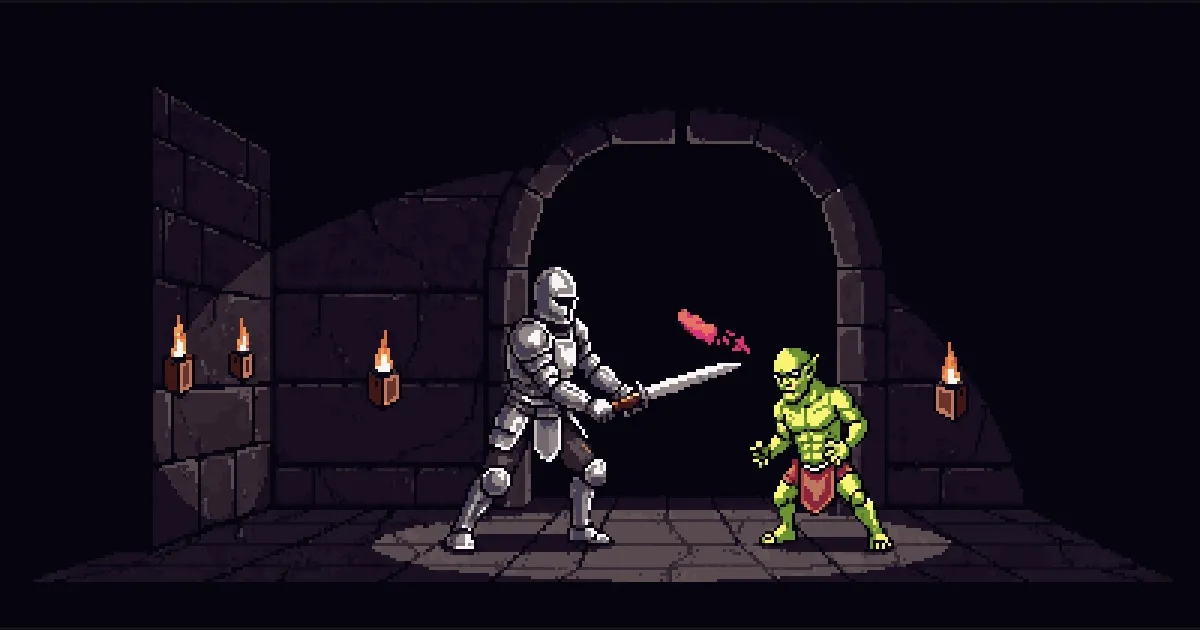
Pomodoro Warrior treats the session as a wave the warrior fights, and the rest as a rule the next wave waits for. While the clock runs, sound effects and haptics are on by default and each has its own switch, and there is no feed, no ad and no notification inside the app.
Strict combat focus is a switch in Realm, off by default. With it on, the screen stays on through the wave. Leave combat for more than 30 seconds and the streak resets unless a Streak Ward absorbs it. Leave the switch off if you need to pick up your phone mid wave.
Each wave has a clear end: the monster falls when the clock runs out, and the rest starts only then. That gives the session a stopping point instead of a halfway decision. That is the moment when attention sticks to the last task. Finishing the wave first leaves less behind for the next one.
The goal is the same one the research points to: fewer mid-task switches, less residue carried into the next block, and a wave you can finish before anything else asks for your attention.
Three rules to take into the dungeon
- 01
Start the wave, not the phone
Press start before you reach for the phone. A session begun is harder to abandon than one still waiting to begin.
- 02
Finish before you switch
End a wave at its end, not in the middle. A completed task leaves less behind when the next one begins.
- 03
The lock is not the point
Blocking the phone only moves the problem. The point is the wave that finishes while the phone stays quiet.
Dispatch this scroll to fellow warriors
Pomodoro Warrior Team
The small team building Pomodoro Warrior. These scrolls explain the design decisions behind the app and the research they rest on.
Scrolls logged: 13 Meet the guild mastersSources
- Leroy, S. (2009). Why Is It so Hard to Do My Work? The Challenge of Attention Residue when Switching Between Work Tasks. Organizational Behavior and Human Decision Processes, 109(2), 168-181.
- Mark, G., Gudith, D. and Klocke, U. (2008). The Cost of Interrupted Work: More Speed and Stress. Proceedings of the SIGCHI Conference on Human Factors in Computing Systems.
Hear the horn before the gates open
One dispatch when a new scroll lands or the beta opens on Google Play. No daily raids on your inbox, and one word gets you off the roster.