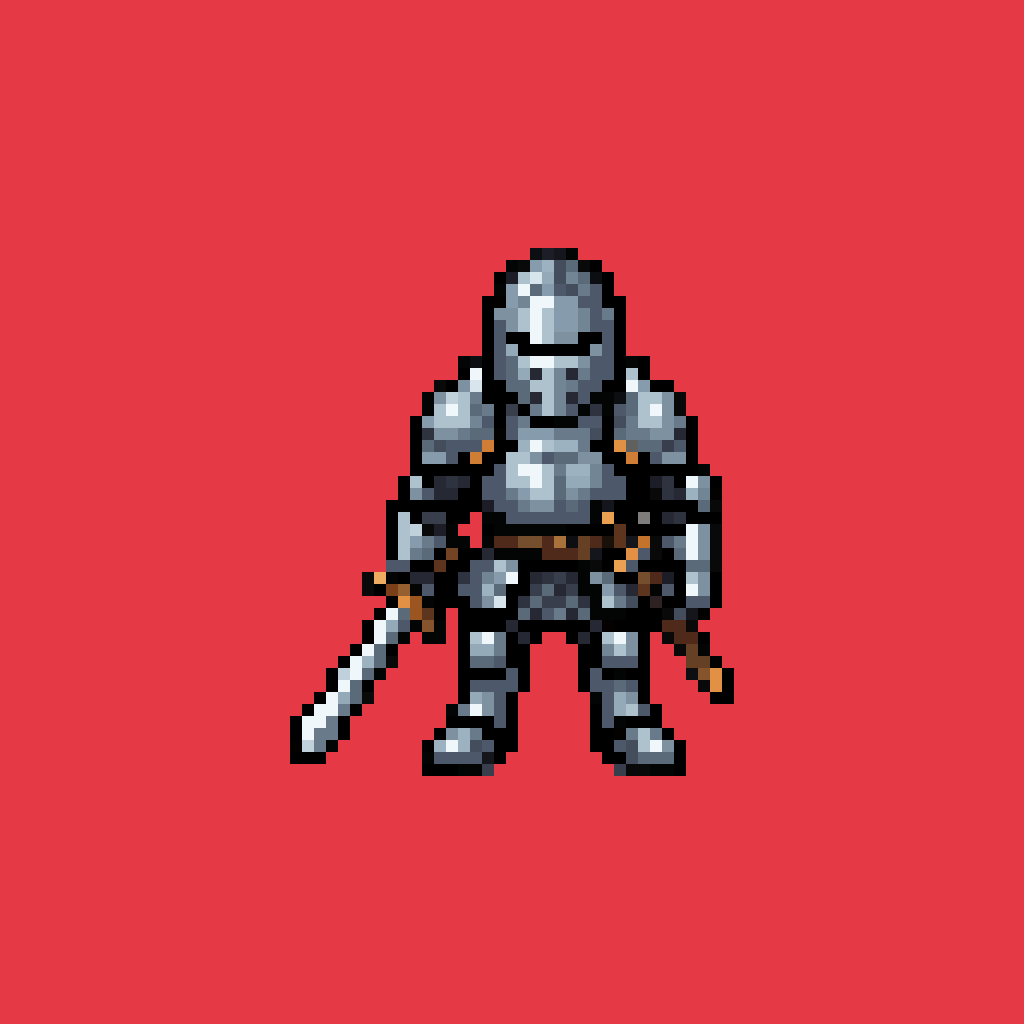
Why it works: a plain time block versus a monster with HP
A static grey block on a screen. The goal is duration, not elimination. Dopamine is deferred until the project completes.
Tasks receive HP. Every focus minute inflicts damage. The brain sees the hostile threat shrink in real time.
Rewards keep working when they are earned by the behaviour you actually want and spent on something visible. EXP rewards showing up for waves. Gold rewards finishing what you committed to. The tavern makes both visible every time you open the app.
I. EXP: paid by the wave
Every wave you clear pays EXP, and the amount depends on the dungeon. Longer combat pays more, longer rest pays a little less, and the dungeon's total is the per-wave amount multiplied by its waves. The Classic Dungeon, Lightning Raid and Siege Crypt each show their EXP on the card before you start, so the reward is never a surprise.
EXP is the honest currency. You cannot earn it by tapping, only by letting the timer run through a wave. Your total is computed from your sessions rather than stored as a separate score, so it always matches what you have actually done. The monster cadence does not change that arithmetic either: a Classic wave now sends five monsters at you instead of one, and it still pays one wave of EXP.
II. Titles: the level curve
EXP feeds a level, and levels carry titles. You start as a Warrior. Viking comes at level three, Herald at five, Paladin at seven, Crusader at nine, Templar at eleven and Warlord at thirteen. Each level costs more than the last, so early levels come quickly and later ones ask for real campaigns. A new title every two levels means each one is a longer walk than the one before it.
Titles exist because a rising number on its own stops meaning anything. A name you can say out loud, and a rank the guild leaderboard can show, gives the number a shape. The Tavern shows your level, your title and how far you are from the next one.
III. Gold: paid by the quest
Gold is different. Waves never pay gold. Quests do. A quest is a goal you turn in: win a set number of battles, clear a set number of waves, conquer three dungeons, or one you forge yourself. The app ships a small board of them, one daily and three one-off, and the forge opens the rest, where you pick the goal, the target and the deadline. The gold is priced from those choices rather than typed by you, so no forged oath pays more than it is worth.
Separating gold from EXP matters. EXP rewards time, and time alone can drift into busywork. Gold rewards committing to something and then doing it, which is the behaviour a productivity app should actually pay for. Daily quests reset each day, so the streak has a reason to continue tomorrow.
IV. The tavern: where the currencies become visible
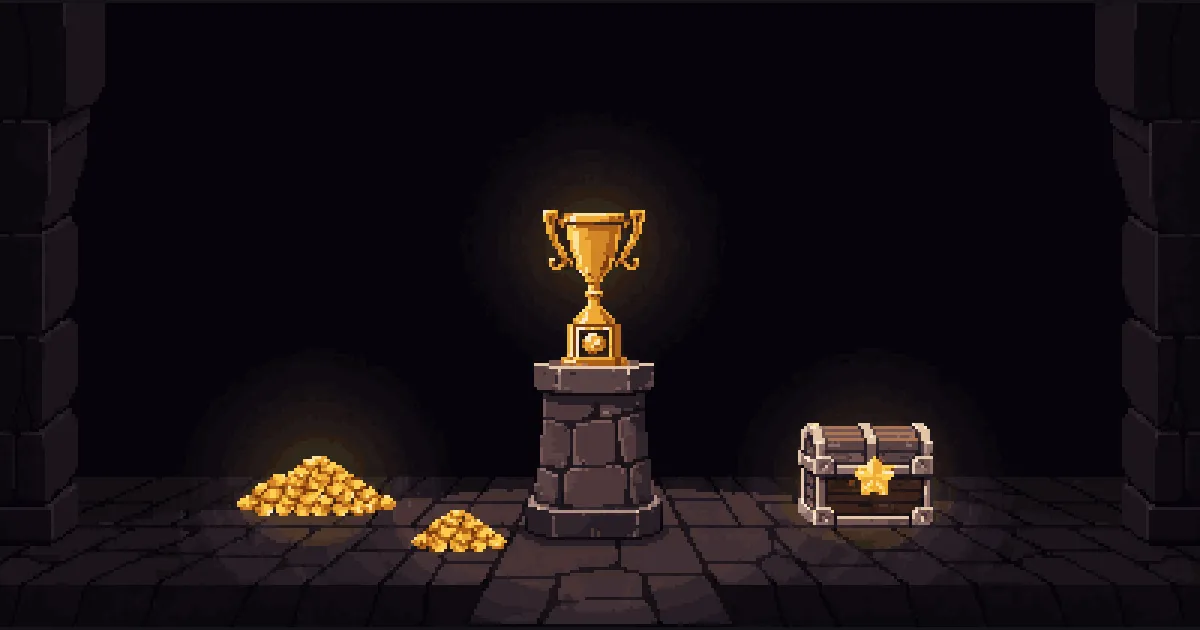
Gold is spent in the Tavern on things you can see. Six pieces fill the room, from a Guild Banner and an Old Chest to the Crimson Banner and the Gilded Chest, and every one of them costs the gold your quests pay. Each item takes a slot in the tavern scene, which sits at the top of the tab, above the bazaar where the gold actually leaves your purse.
This is the anchor that keeps the loop honest. A stat sheet tells you what you did. A tavern with a lit hearth and a banner on the wall shows you, without a number, that the quests you finished produced something. Decorations are bought once and stay, so the room fills up over months rather than resetting each week.
A number tells you what you did. A hearth you paid for tells you the quests were real.
Pomodoro Warrior Team
Three rules to take into the dungeon
- 01
Earn EXP with time, gold with promises
Waves pay EXP because you showed up. Quests pay gold because you finished. Keep both. They measure different things.
- 02
Forge quests you can lose
A quest with no chance of failing pays nothing worth having. Set a deadline, set a target you have to work for, and let the gold mean something.
- 03
Spend the gold
Hoarding is a stat. A lit hearth is a memory of the week you earned it. Buy the thing and look at it.
Dispatch this scroll to fellow warriors
Pomodoro Warrior Team
The small team building Pomodoro Warrior. These scrolls explain the design decisions behind the app and the research they rest on.
Scrolls logged: 5 Meet the guild masters