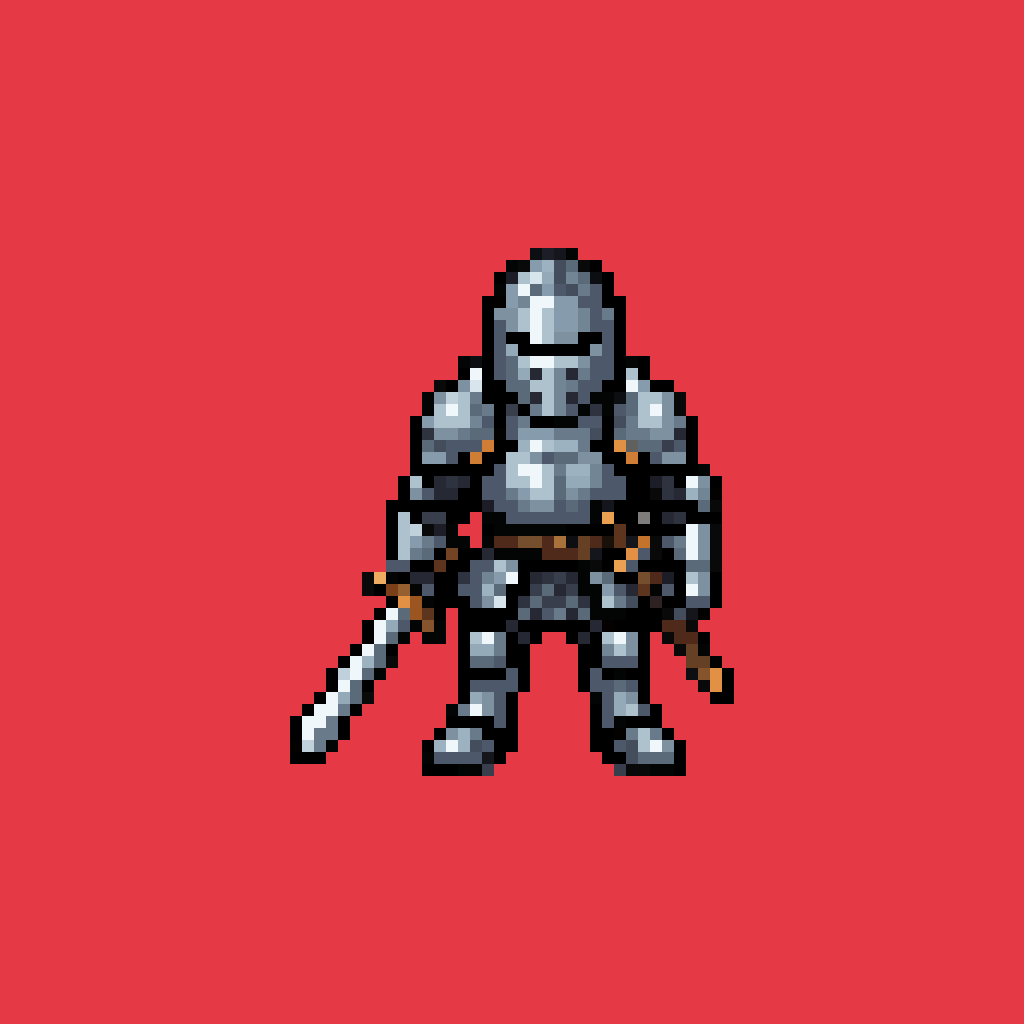
Why it works: a plain time block versus a monster with HP
A static grey block on a screen. The goal is duration, not elimination. Dopamine is deferred until the project completes.
Tasks receive HP. Every focus minute inflicts damage. The brain sees the hostile threat shrink in real time.
Attention recovers when it is released, not when it is redirected. A break that keeps you reading, choosing and reacting spends the same resource the work spends. A break that lets the eyes and mind drift restores it.
I. What the break is actually for
Directed attention, the kind you use to hold a problem in your head and ignore everything else, gets tired. Attention restoration research points at a specific cure: environments and activities that hold the eye without demanding anything from it. A view of trees, a fire, rain on a window. The mind wanders, and the wandering is the repair.
A phone does the opposite. Every notification, headline and thumbnail is a small decision, and small decisions are exactly what you are trying to stop making for five minutes. You arrive at the next wave having switched tasks twice instead of resting once.
The same logic says the break should produce nothing. A break that finishes something, a reply sent, a dish washed, teaches the mind that the rest is another shift with a lower wage. The five minutes are there to be spent rather than invested, and a break that leaves no trace is doing its job.
II. Things that work in five minutes
Stand up and move. Fill the water bottle, walk to the window, stretch the shoulders that curled over the keyboard. Movement is the cheapest reset there is, and five minutes is enough of it.
Look at something far away. Screens keep the eyes focused at arm's length for long stretches, and a window or a doorway lets them relax. If you have a soundscape running, leave it on. Rain or a fireplace is the kind of low-demand input that lets attention drift instead of grabbing it.
If you must touch the phone, do one thing you decided on before the wave, like answering a message, and put it down. The rule is not no phone. The rule is no browsing.
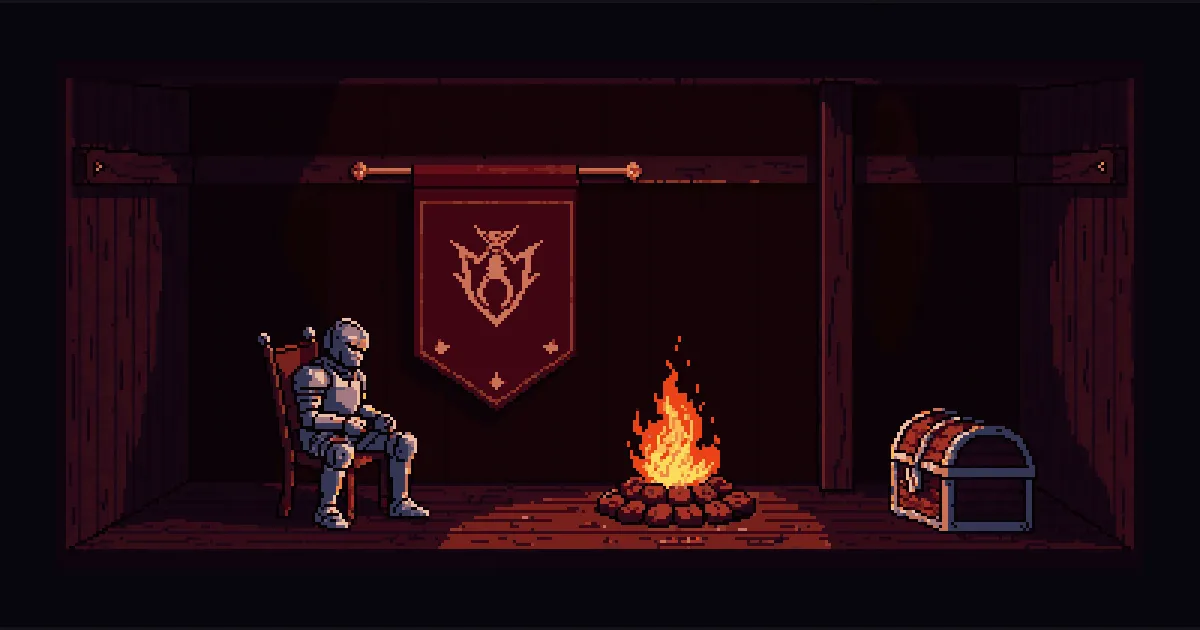
III. Why the warrior sits at the campfire
Pomodoro Warrior draws the rest on purpose. When a wave ends, the monster is gone and the warrior sits down by a fire. The rest timer counts down, a quote from the guild appears, and there is nothing to tap except the button that would call you back into the fight early. The screen is built to be glanced at, not used.
The rest cannot be skipped. There is no control that ends it early and drops you into the next wave, which is deliberate: a rest you can cut short is a rest you relitigate every time you happen to feel fine, and feeling fine at minute two is exactly when the cut costs the most. The Classic Dungeon rests for 5 minutes between 25-minute waves. Lightning Raid rests for 3 between 15-minute waves. Siege Crypt rests for 10 between two waves of 50. If you forge your own dungeon, the rest length is yours to set, and a sensible ratio is about one minute of rest for every five of combat.
IV. The long rest
Cirillo's original rhythm called for a longer break after four Pomodoros, and the dungeon structure reproduces it. When the last wave falls the dungeon is conquered, the EXP is written down and the run ends. That end is the long break. Take it away from the desk.
Twenty to thirty minutes is a reasonable length. Eat something, walk outside, talk to a person. Then pick the next dungeon and start the first wave, and notice that the first wave after a real break is the easiest of the day.
The campfire does not ask anything of you. That is the whole point of it.
Pomodoro Warrior Team
Three rules to take into the dungeon
- 01
Release, do not redirect
The break restores attention only if you stop steering it. A feed steers it. A fire does not.
- 02
Move before you sit
Stand up, drink water, look out the window. Two minutes of movement does more than five minutes of reading.
- 03
Let the timer end the rest
Do not cut the rest short because you feel fine. The wave you would have started early is the one that runs out of steam.
Dispatch this scroll to fellow warriors
Pomodoro Warrior Team
The small team building Pomodoro Warrior. These scrolls explain the design decisions behind the app and the research they rest on.
Scrolls logged: 5 Meet the guild masters