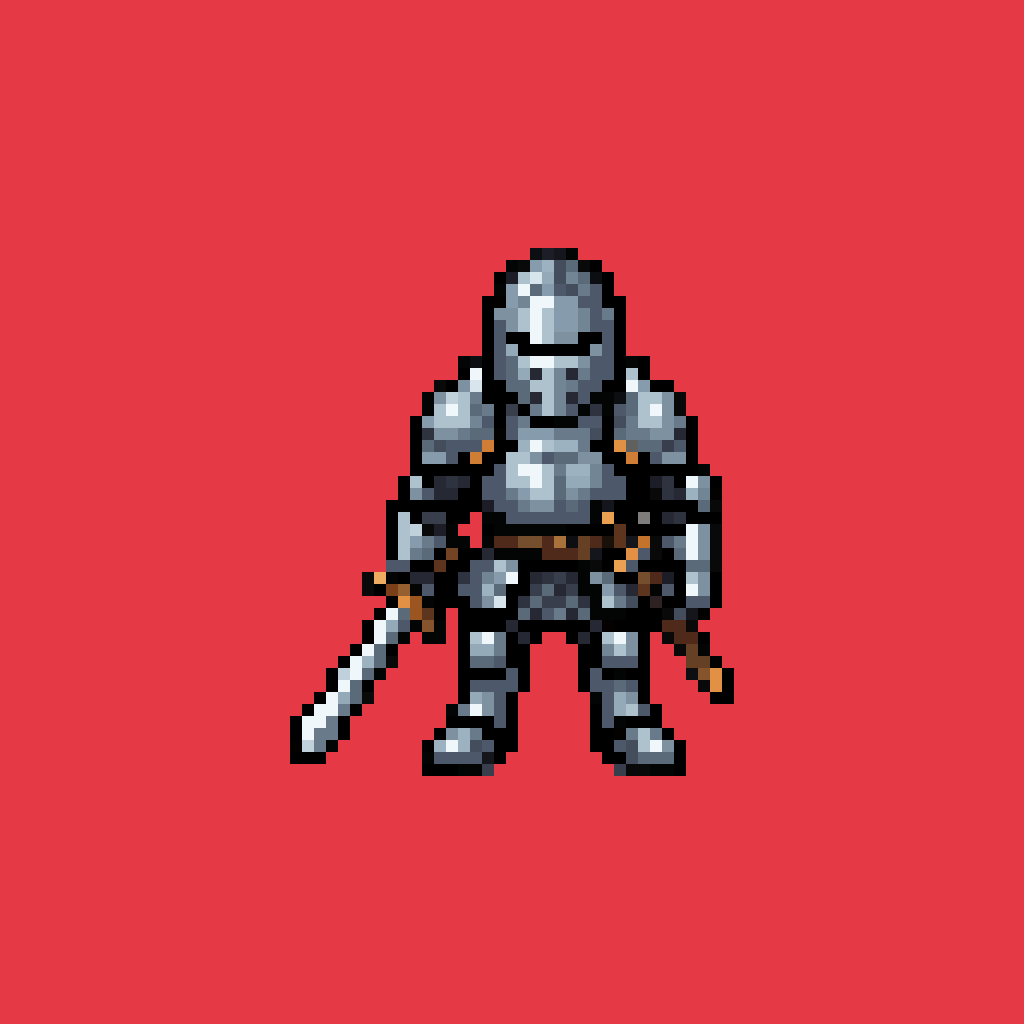
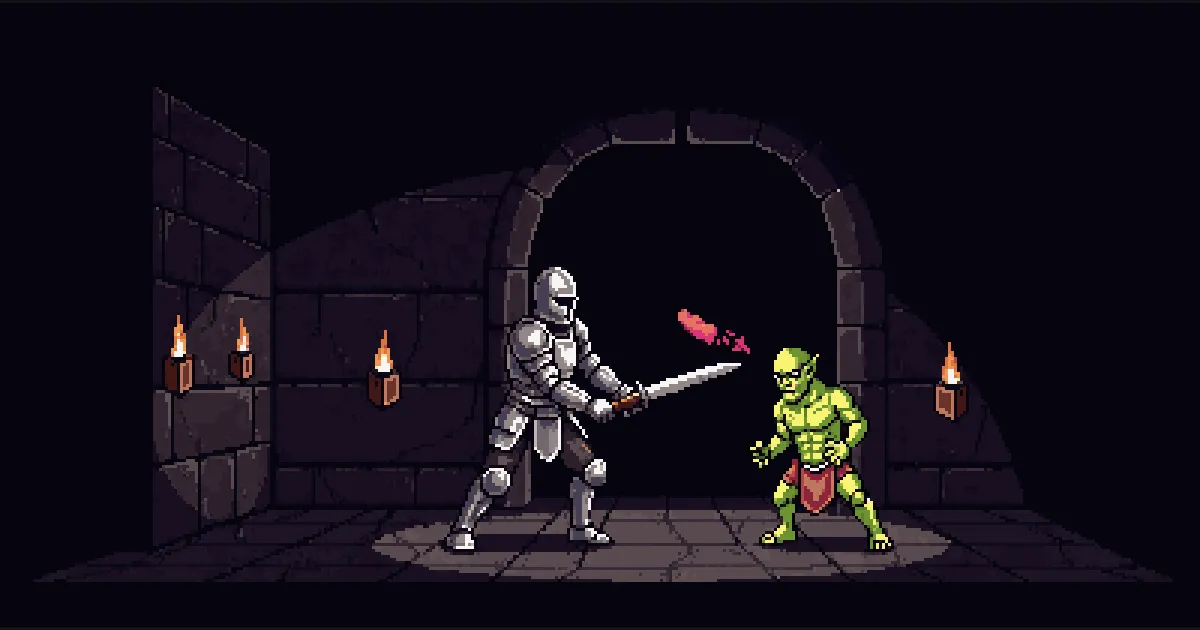
Why it works: a plain time block versus a monster with HP
A static grey block on a screen. The goal is duration, not elimination. Dopamine is deferred until the project completes.
Tasks receive HP. Every focus minute inflicts damage. The brain sees the hostile threat shrink in real time.
An open task has no edge, so the brain treats it as one large threat and looks for exits. A monster whose hit points drain in real time has a visible edge, a visible finish and a reward on the other side, and a wave is a row of them. The same work becomes something you can engage.
I. Scope intimidation, or why the blank page wins
The hardest part of a big task is rarely the work. It is the moment before the work, when the whole refactor or the whole thesis sits in view at once and there is no obvious first cut. Researchers on procrastination describe this as an emotion problem more than a planning problem: we avoid the task to avoid the feeling it produces.
A time box fixes the size of the commitment instead of the size of the task. You are not promising to finish the thesis. You are promising to fight one wave. When the wave ends, you are allowed to stop, and knowing that lowers the cost of starting.
II. What a hit point bar does that a countdown does not
A countdown tells you how much is left. A monster tells you what is in front of you. Both are the same clock, but one is a number to endure and the other is a thing to finish, and a thing with hit points is read in one glance: the bar is full, then it is half, then the monster drops. Progress toward a goal gets more motivating the closer the goal looks, an effect psychologists have measured in everything from loyalty cards to lab tasks.
In Pomodoro Warrior every focus minute is a hit on the monster in front of the warrior. The goblin starts with a pool of hit points, the skeleton with fewer, the lich with more, and the number drops as the minutes pass. Each monster holds five minutes of focus, so a Classic wave chains five of them: a bar that empties in five minutes, five times over, instead of one number counting down for twenty-five.
III. Waves, not marathons
One Pomodoro rarely finishes anything. The technique works because you chain them, and Cirillo's original rhythm was four sessions before a longer rest. The app calls that chain a dungeon. The default Classic Dungeon is four waves of 25 minutes with 5 minutes of rest between them, which is the classic Pomodoro cycle with a monster on top.
Two other dungeons ship. Lightning Raid runs six waves of 15 minutes with 3 minutes of rest, for days when attention is thin and you need quick wins. Siege Crypt runs two waves of 50 minutes with 10 of rest, for work that needs a long warm-up. The three of them come with the pass, and so does forging your own dungeon with its own combat time, rest time and wave count.
Each monster holds roughly five minutes. Cut one down and the next walks in while the wave keeps running; when the wave ends, the warrior sits at the campfire until the rest is over and then the next wave begins. The dungeon is conquered when the last wave falls, and the EXP for the run is written to your ledger.
IV. Why the rest is part of the fight
Skipping the break feels productive and costs you the next wave. Sustained attention degrades over time and short breaks restore it. That is the whole reason the technique alternates work and rest instead of running one long timer. The app makes the rest visible: the warrior stops fighting and sits by the fire, and the next wave does not start until the rest is over.
Treat the rest as a rule of the dungeon rather than a reward you have to earn. If you keep swinging after the bell, the second wave starts with less than you had for the first.
You are not asked to save the realm before sunset. You are asked to survive one skirmish, and the goblin in front of you has five minutes of stamina in him.
Pomodoro Warrior Team
Three rules to take into the dungeon
- 01
Fight one wave
Do not start the task. Start the wave. Twenty-five minutes with a visible end is a promise you can keep, and the next promise is easier once the first is kept.
- 02
Watch the bar, not the clock
When the pull to check your phone arrives, look at the monster's HP instead. Seeing how much you have already taken off is a better argument for staying than seeing how long is left.
- 03
Sit at the campfire
When the wave ends, stop, even mid-sentence. The rest is what makes the next wave possible. A warrior who never rests loses to the third goblin.
Dispatch this scroll to fellow warriors
Pomodoro Warrior Team
The small team building Pomodoro Warrior. These scrolls explain the design decisions behind the app and the research they rest on.
Scrolls logged: 5 Meet the guild masters